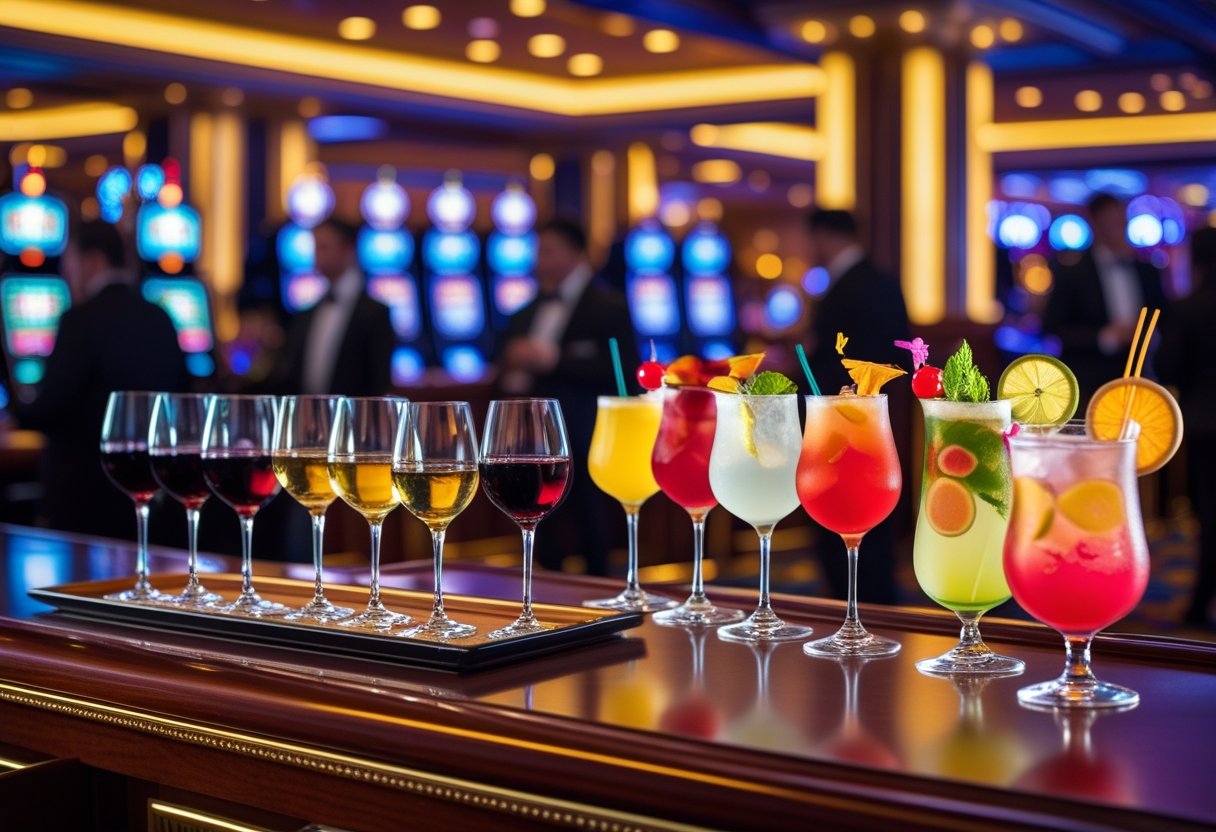
When people walk into a casino, they often face a choice between ordering a glass of wine or a mixed cocktail. Cocktails tend to be more popular among casino players, largely because they offer variety, creativity, and fit the energetic atmosphere of gaming floors. However, wine maintains a loyal following among certain players who prefer its simplicity and elegance.
The beverage a player chooses often says something about their gaming style and personal preferences. Some gamblers enjoy sipping a classic martini at the poker table, while others prefer a glass of red wine during a quieter game. Both drinks have their place in casino culture, and understanding why players choose one over the other reveals interesting patterns about the gaming experience.
Several factors influence what players drink while gambling, from the type of game they play to the casino’s atmosphere. The relationship between beverages and gambling goes beyond simple refreshment. It involves tradition, social customs, and the overall mood players want to create during their casino visit.
Wine vs Cocktails: Comparative Preferences in Casinos
Casino players show distinct patterns when choosing between wine and cocktails, with preferences varying by age, setting, and gaming activity. Data reveals that both beverages maintain strong followings, though different factors influence which drink players select during their casino visits.
Survey Data and Player Trends
Recent observations from casino floors indicate that cocktails remain the dominant choice among active gamblers. Approximately 60-65% of casino patrons opt for mixed drinks while playing table games or slots. Classic cocktails like martinis, whiskey-based drinks, and rum mixers rank highest in popularity.
Wine accounts for roughly 25-30% of beverage orders in casino settings. Red wine selections typically outnumber white wine choices by a small margin. Wine drinkers often choose their beverage during dining experiences or when taking breaks from gaming activities.
The remaining 10-15% of casino guests prefer beer, soft drinks, or coffee. These preferences shift throughout the day, with wine consumption increasing during evening hours and dinner service. Cocktail orders remain steady across all time periods, showing consistent appeal regardless of the hour.
Demographic Influences on Beverage Choice
Age plays a significant role in beverage selection at casinos. Players aged 21-35 overwhelmingly favor cocktails, particularly trendy mixed drinks and spirits-based beverages. This group seeks variety and experimentation in their drink choices.
Casino guests aged 45 and older show stronger preferences for wine. These players often select wine during meals or social gatherings within the casino. They value the traditional aspects and perceived sophistication of wine.
Gender differences also emerge in drinking patterns. Male players tend to order whiskey cocktails, beer, and darker spirits. Female players show more balanced preferences between wine and lighter cocktails, though individual tastes vary widely.
Beverage Preferences by Casino Setting
Drink choices differ based on the casino environment and activity. High-stakes table games attract more wine drinkers, as these areas often project an upscale atmosphere. Players at these tables may order premium wines to match the setting.
Slot machine areas see the highest concentration of cocktail orders. The casual nature of slot gaming pairs well with mixed drinks. Players can easily sip cocktails while engaging with their chosen games.
Casino restaurants and lounges serve primarily wine during dining hours. These venues offer extensive wine lists that rival standalone restaurants. Cocktails gain prominence in bar areas and nightclub-style casino spaces where social interaction takes priority over gaming.
Factors Affecting Beverage Enjoyment Among Casino Players
Casino players’ drink preferences depend on several key elements that shape their experience. The setting they’re in, the quality of drinks available, and how casinos promote beverages all play important roles in what players choose and enjoy.
Atmosphere and Social Context
The casino environment directly affects what players want to drink. Loud slot machine areas often lead players to choose simple drinks they can hold while gaming. Table games create different drinking patterns because players sit together and socialize more.
Players gambling alone typically order different drinks than those in groups. Solo players often stick with basic choices like beer or simple mixed drinks. Groups tend to order more elaborate cocktails and share drinking experiences as part of their night out.
The time of day matters too. Morning and afternoon players usually choose non-alcoholic options or light drinks. Evening crowds show higher interest in cocktails and wine. Weekend casino visitors drink more than weekday players, with Las Vegas casinos serving an estimated 47 million free alcoholic beverages in a recent year.
Impact of Beverage Quality and Variety
Drink quality shapes player satisfaction and their choice between wine and cocktails. Casinos that employ skilled bartenders and stock premium spirits create better experiences. Players notice the difference between well-made drinks and poorly mixed ones.
Selection variety gives players more options to match their tastes. Some casinos offer extensive wine lists while others focus on signature cocktails. Players appreciate having both categories available rather than limited choices.
Expert mixologists and quality ingredients make cocktails more appealing to guests. Wine programs with diverse selections attract players who prefer that option. The availability of top-shelf liquor versus well drinks influences what players order and their overall enjoyment.
Influence of Promotions and Complimentary Drinks
Free drink programs strongly affect beverage choices in casinos. The global casino free drinks market reached $1.2 billion in 2023. These programs encourage players to try drinks they might not purchase themselves.
Slot machine players redeem 62% more drink vouchers than table game players. This difference shows how casino layouts and promotional strategies guide drinking patterns. Loyalty programs that track beverage preferences help casinos offer targeted drink options.
Complimentary drink policies vary by casino and player status. High rollers receive premium options including expensive wines and top-shelf cocktails. Regular players get standard selections. A 2025 industry report predicts a 15% rise in integrated beverage loyalty programs that reward players based on their gambling activity.