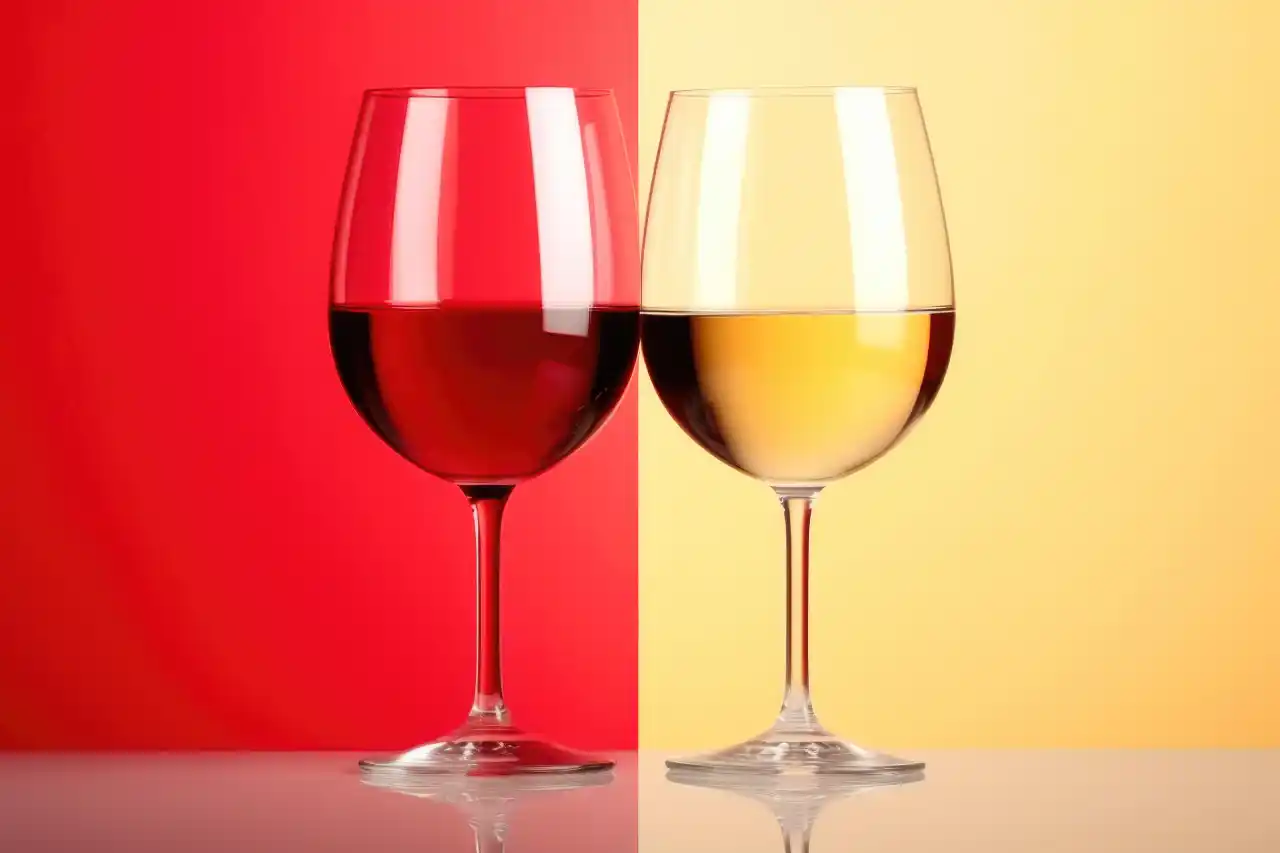
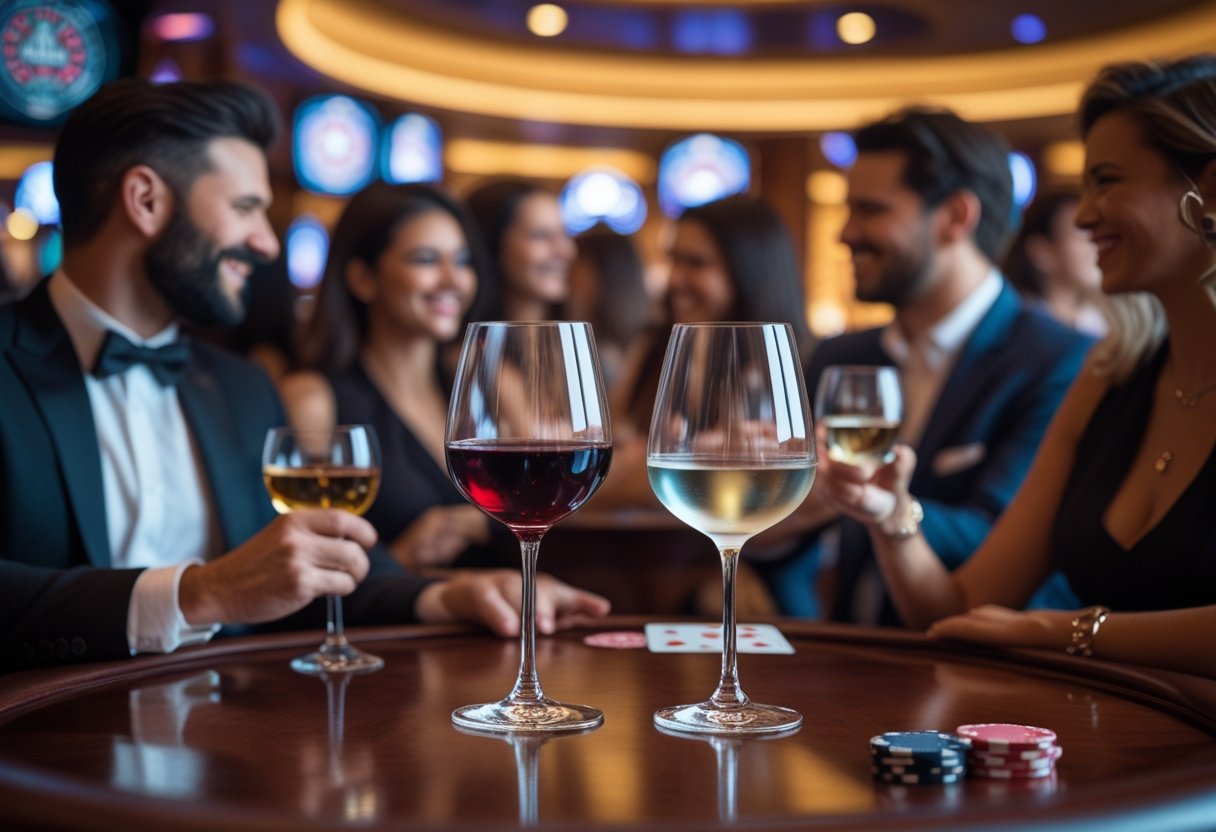
Casino guests show varied wine preferences, with choices often split between red and white wines depending on the gaming atmosphere, meal pairings, and personal taste. Red wine tends to be popular during evening gaming sessions and formal casino dining, while white wine attracts guests who prefer lighter, refreshing options that pair well with extended periods of play. The connection between casino environments and wine selection involves multiple factors that influence what guests order at the bar or restaurant.
Understanding these preferences helps casinos stock their wine lists appropriately and create better experiences for their guests. The choice between red and white wine goes beyond simple taste. It involves the alcohol content, flavor profiles, and how well each wine complements casino dining and gaming activities.
Regional differences, marketing approaches, and the specific casino setting all play roles in determining which wines guests choose. Some guests prefer the rich flavors of red wine with heavier meals, while others opt for white wine’s crisp taste during lighter fare or warm weather gaming. These patterns reveal interesting insights about how casino atmosphere affects beverage choices.
Understanding Red and White Wine
Red and white wines differ mainly in how they’re made, what they taste like, and which grapes produce them. The production process creates distinct characteristics that appeal to different preferences.
Key Differences in Production
The main difference between red and white wine starts with the grape skins. Red wine gets its color because winemakers leave the grape skins in contact with the juice during fermentation. This process can last from a few days to several weeks.
White wine production removes the grape skins right after pressing the grapes. The juice ferments alone, which keeps the wine light in color. Some white wines use green grapes, while others use red grapes with the skins removed quickly.
Tannins come from grape skins, seeds, and stems. Red wines contain high levels of tannins, which create a dry feeling in the mouth. White wines have little to no tannins because the skins are removed early.
The fermentation temperature also varies between the two types. White wines ferment at cooler temperatures (45-60°F) to preserve delicate flavors. Red wines ferment at warmer temperatures (70-85°F) to extract more color and tannins from the skins.
Flavor Profiles and Aromas
Red wines offer bold, rich flavors. Common taste notes include cherry, plum, blackberry, and tobacco. These wines often have earthy undertones like leather or mushroom.
White wines provide lighter, crisper flavors. Typical notes include apple, pear, citrus, and tropical fruits. Many white wines also feature floral aromas or hints of honey and vanilla.
The acidity levels differ between the two types. White wines typically have higher acidity, which creates a sharp, refreshing taste. Red wines balance their lower acidity with tannins for structure.
Body weight separates the drinking experience. Light-bodied white wines feel crisp and clean on the palate. Full-bodied red wines feel heavier and coat the mouth.
Popular Grape Varieties
Red Wine Grapes:
- Cabernet Sauvignon: Full-bodied with black currant and cedar flavors
- Merlot: Smooth with plum and chocolate notes
- Pinot Noir: Light to medium-bodied with cherry and earthy flavors
- Syrah/Shiraz: Bold with blackberry and pepper characteristics
White Wine Grapes:
- Chardonnay: Ranges from crisp apple to buttery oak flavors
- Sauvignon Blanc: Bright with grapefruit and grassy notes
- Pinot Grigio: Light with pear and lemon flavors
- Riesling: Sweet to dry with peach and floral aromas
Each grape variety produces distinct taste profiles. Cabernet Sauvignon and Chardonnay remain the most recognized varieties worldwide. Pinot Noir and Sauvignon Blanc appeal to those who prefer lighter styles.
Wine Preferences Among Casino Guests
Casino guests show distinct patterns in their wine choices, with red wine leading among regular players at 64% preference compared to white wine at 28%. These preferences shift based on age groups, the formality of casino events, and the types of games being played.
Trends in Guest Choices
Red wine dominates casino floors, particularly among frequent visitors who play games requiring sustained focus and concentration. Pinot Noir and Cabernet Sauvignon rank as top selections because their rich flavors and full body complement the intense atmosphere of gaming tables.
The popularity of red wine connects to its pairing with common casino dining options. Steakhouses and upscale restaurants in casino properties serve dishes that match well with tannic reds. These wines bind to proteins in beef, pork, and aged cheeses, creating a better taste experience.
White wine has gained ground in recent years, especially in casual gaming areas and bars. Younger casino visitors choose white wine more often than older generations. The lighter, refreshing qualities appeal to guests who prefer a less intense drinking experience while playing slots or electronic games.
Demographic Influences
Age plays a significant role in wine selection at casinos. Younger adults tend toward white wine options, finding them more approachable and suited to their tastes. This group values lighter flavors that don’t overpower their palate.
Older casino guests maintain traditional preferences for red wine, especially during formal dining experiences. This demographic associates red wine with sophistication and special occasions. They often select premium bottles when celebrating wins or attending casino events.
Income levels affect wine choices as well. High-limit gaming rooms see higher consumption of expensive red wines, particularly aged Cabernets. Regular players in these areas view wine selection as part of the luxury experience.
Occasion-Based Preferences
Casino events and tournaments influence wine preferences significantly. Formal poker tournaments and special gaming events see increased red wine consumption. The serious nature of these competitions aligns with the bold character of red varieties.
Casual gaming sessions during warmer months shift preferences toward white wine. Guests playing in relaxed environments choose refreshing options that suit lighter fare from casual dining venues. Weekend visitors show different patterns than weekday gamblers, with more white wine orders during daytime hours.
Private casino celebrations and weddings favor white wine when lighter meals are served. Red wine remains the standard choice for evening galas and dinners featuring hearty entrées. The formality of the occasion and menu offerings determine which wine type dominates.
Factors Influencing Wine Selection in Casinos
Casino guests choose wines based on what they’re eating, where they’re sitting, and how much they want to spend. These three factors work together to shape wine preferences in gambling venues.
Pairing With Casino Cuisine
Food choices directly impact wine selection in casinos. Red wines like Cabernet Sauvignon and Merlot pair well with steaks and rich dishes commonly served at casino restaurants. These full-bodied options complement heavy meals and add to the dining experience.
White wines serve different purposes on casino menus. Chardonnay offers a smooth taste with citrus and apple notes that work as a palate cleanser between courses. Sauvignon Blanc provides crisp and refreshing characteristics that pair with lighter fare like seafood and salads.
Casual dining areas typically see more white wine orders. Upscale restaurants within casinos tend to serve more red wine with their premium menu items. The type of restaurant and its offerings guide what wines guests choose.
Influence of Ambience and Setting
The casino environment affects wine preferences in specific ways. Online casinos create casual atmospheres where guests prefer lighter wines they can sip while playing. Physical casinos offer varied settings from loud gaming floors to quiet lounges.
High-limit rooms and VIP areas stock premium wine selections. These spaces maintain calm environments where guests take time to enjoy their drinks. Gaming floors favor quick-service options where guests want simple choices.
The time of day changes wine preferences. Evening hours see increased red wine orders as guests settle in for dinner and entertainment. Daytime visitors lean toward white wines and lighter options.
Price Considerations
Casino wine lists balance popular brands with local selections to appeal to different budgets. Standard pours range from affordable house wines to premium bottles. Guests weigh quality against cost based on their gambling budgets.
Complimentary wine programs for high rollers remove price barriers. These guests access top-shelf selections without concern for cost. Regular visitors choose mid-range options that offer quality at reasonable prices.
Wine pricing tiers in casinos:
- House wines: Basic selections at lowest prices
- Mid-tier: Popular brand names with broader appeal
- Premium: High-end bottles for special occasions
- Ultra-premium: Exclusive selections for VIP guests
Promotional pricing during off-peak hours encourages wine sales. Happy hour specials and dinner packages make wine more accessible to budget-conscious guests.
Red Wine Appeal in the Casino Environment
Red wine holds a strong position in casino settings due to its connection with upscale experiences and its ability to match the atmosphere of evening gaming. Casino guests often choose red varietals that pair well with rich foods and create a sense of occasion.
Association With Luxury Experiences
Red wine carries a reputation for elegance that fits naturally into casino environments. Full-bodied options like Cabernet Sauvignon and Merlot appear frequently on casino wine lists because they signal celebration and refinement.
The deep color and complex flavors of red wine match the indulgent nature of casino dining and gaming. When guests order a glass of premium red, they’re often marking a special occasion or enhancing their overall entertainment experience.
Casinos typically stock recognizable red wine brands alongside local selections to appeal to different preferences. The presence of these wines on the menu reinforces the upscale image many casinos work to maintain. Red wine consumption in these settings often goes hand in hand with fine dining experiences at steakhouses and high-end restaurants within casino properties.
Preferred Red Varietals
Cabernet Sauvignon leads as the most requested red wine in casino settings. Its bold flavor profile and wide recognition make it a safe choice for guests.
Merlot ranks second in popularity due to its smoother taste and approachability. Many casino visitors who find Cabernet too intense prefer Merlot’s softer tannins.
Pinot Noir attracts guests looking for a lighter red wine option. Its versatility with different foods makes it practical for casino restaurants and bars.
These three varietals dominate casino wine programs because they pair well with common menu items like steaks, lamb, and rich pasta dishes.
Seasonal and Event-Based Popularity
Red wine sees increased demand during fall and winter months when guests gravitate toward heartier drinks. Casino bars report higher red wine sales from October through March compared to spring and summer periods.
Special events drive red wine consumption upward. Holiday parties, tournaments, and formal gaming events typically feature more red wine service than regular casino operations.
Weekend evenings generate the highest red wine orders as guests celebrate and dine at a more leisurely pace. Casinos adjust their inventory to stock more red varietals during these peak periods.
Popularity of White Wine Among Casino Patrons
White wine has become a common sight at casino tables and slot machines. Casino guests choose white wines for their lighter taste, refreshing qualities, and ability to complement the social environment of gaming floors.
Refreshing Choices for Social Atmospheres
White wine offers a crisp, lighter drinking experience that fits well with the active casino environment. Guests appreciate how white wines stay refreshing throughout long gaming sessions without feeling heavy or overwhelming.
The cooler serving temperature of white wine provides a pleasant contrast to the warm, busy casino floor. Players often choose white wine when they want to stay alert and focused during card games or other table games that require concentration.
Casino servers report that white wine orders increase during warmer months and in properties located in warm climates. The lighter body and bright acidity make white wines an easy-drinking option that pairs naturally with the celebratory mood of casino entertainment.
Top-Selling White Wines
Casinos typically stock several popular white wine varieties to meet guest preferences. Chardonnay remains the most requested white wine, with guests appreciating its familiar taste and wide availability. Sauvignon Blanc ranks as a close second, particularly among guests who prefer crisper, more acidic wines.
Pinot Grigio attracts casino patrons looking for lighter, easy-drinking options. Sparkling wines, including Prosecco and Champagne, see strong sales at casino bars, especially among guests celebrating wins or special occasions.
Most casinos offer white wines at multiple price points, from affordable house pours to premium bottles. Mid-range white wines typically see the highest volume sales, as guests balance quality with value during their casino visits.
Food Pairing Preferences
Casino restaurants and lounges see strong white wine sales alongside specific menu items. White wines pair effectively with seafood dishes, chicken entrees, and lighter appetizers commonly found in casino dining venues.
Guests ordering sushi at casino restaurants frequently choose Sauvignon Blanc or sparkling wine. The high acidity in these wines cuts through rich flavors and cleanses the palate between bites.
Common white wine pairings at casinos include:
- Chardonnay with creamy pasta dishes and lobster
- Sauvignon Blanc with oysters and fresh salads
- Pinot Grigio with light fish dishes and vegetarian options
- Sparkling wines with fried appetizers and desserts
Casino sommeliers note that guests dining before or during gaming sessions often request white wines that won’t overpower their food or leave them feeling too full to continue playing.
Regional Differences in Wine Preferences at Casinos
Casino wine preferences shift based on location and local drinking habits. North American casinos see strong red wine demand, European venues showcase regional variety, and Asian casinos often feature wine alongside traditional spirits.
Trends in North American Casinos
Red wine dominates in most North American casino markets. States like California and New York show particularly high red wine consumption at gaming venues. Cabernet Sauvignon and Merlot rank as the top choices among casino guests.
White wine has gained ground in recent years, especially at coastal casinos. Chardonnay and Pinot Grigio appeal to players who prefer lighter options. Many casinos now stock equal amounts of red and white wines to meet diverse preferences.
Regional differences exist within North America. West Coast casinos serve more local wines from nearby vineyards. East Coast venues tend to offer international selections. Southern casinos often pair wines with regional cuisine.
Popular choices include:
- Red: Cabernet Sauvignon, Merlot, Pinot Noir
- White: Chardonnay, Sauvignon Blanc, Pinot Grigio
- Sparkling: Champagne, Prosecco
European Casino Preferences
European casinos reflect their local wine cultures. French casinos naturally feature French wines, with Bordeaux and Burgundy leading sales. Italian venues showcase Chianti, Barolo, and Prosecco.
British casinos offer international wine lists but favor Old World selections. German and Austrian casinos emphasize Riesling and other white wines. Spanish casinos stock Rioja and Cava for their guests.
The wine service at European casinos tends to be more formal than American venues. Sommeliers work at many high-end European gaming establishments. Wine pairings with casino dining experiences receive greater attention.
Asian Casino Beverage Culture
Asian casinos present unique wine consumption patterns. Macau casinos serve wine but see stronger demand for cognac and whiskey. Red wine outsells white wine by wide margins when Asian guests do choose wine.
Wine remains a status symbol in many Asian casino markets. Premium and luxury bottles sell better than mid-range options. French wines, particularly Bordeaux, carry the most prestige among Asian casino guests.
Cultural factors influence wine choices at Asian casinos. Some guests mix wine with soft drinks or serve it with ice. Casinos adapt their wine programs to accommodate these preferences while educating guests about traditional wine service.
Casino Marketing and Promotion Strategies for Wine
Casinos can boost wine sales and guest satisfaction through strategic wine list design, targeted tasting events, and reward programs that recognize wine preferences. These approaches help properties stand out while building stronger connections with guests who value quality wine experiences.
Wine Lists and Curated Menus
A well-designed wine list serves as a marketing tool that guides guest choices and increases revenue per bottle. Casinos should organize their wine selections by style and price point rather than just region, making it easier for guests to find wines that match their taste preferences.
The menu should highlight 3-5 featured wines per category with brief descriptions that focus on flavor profiles instead of technical details. Staff training ensures servers can confidently recommend pairings and upsell premium options.
Key wine list strategies:
- Place high-margin wines in the second-highest price tier where guests often feel comfortable purchasing
- Feature local wines that create unique selling points
- Update seasonal selections to maintain guest interest
- Include half-bottle options for variety without commitment
- Design separate lists for different restaurant concepts within the property
Digital wine lists on tablets allow for real-time inventory updates and can display vivid imagery that enhances appeal.
Exclusive Tastings and Events
Wine tastings create entertainment value while introducing guests to premium bottles they might not otherwise order. Casinos can host guided tastings in private spaces or at restaurant bars during slower periods.
Partnerships with wineries and distributors often provide complimentary wine and expert hosts, reducing costs while adding credibility. These events work best when limited to 20-30 participants and priced at $50-150 per person depending on the wine quality.
Themed events perform particularly well: vertical tastings of the same wine across different years, red versus white comparisons, or regional spotlights. The casino can bundle tasting tickets with hotel packages or offer them as loyalty rewards.
Loyalty Programs and Wine Incentives
Integrating wine preferences into existing casino rewards programs personalizes the guest experience and drives repeat visits. Properties can track wine purchases through their player tracking systems and offer tailored promotions based on drinking habits.
A points-based system lets guests earn rewards toward bottles, tastings, or dining credits. Tier benefits might include complimentary wine with dinner for platinum members or priority access to rare bottle releases.
Effective wine loyalty tactics:
- Send birthday promotions featuring the guest’s preferred wine style
- Create a wine club within the broader loyalty program with exclusive releases
- Offer double points on specific wine purchases during promotional periods
- Provide discounts on bottle purchases for wines tasted during previous visits
Data collection through these programs helps casinos refine their wine inventory based on actual guest preferences rather than assumptions.